1. What determines your Airbnb income?
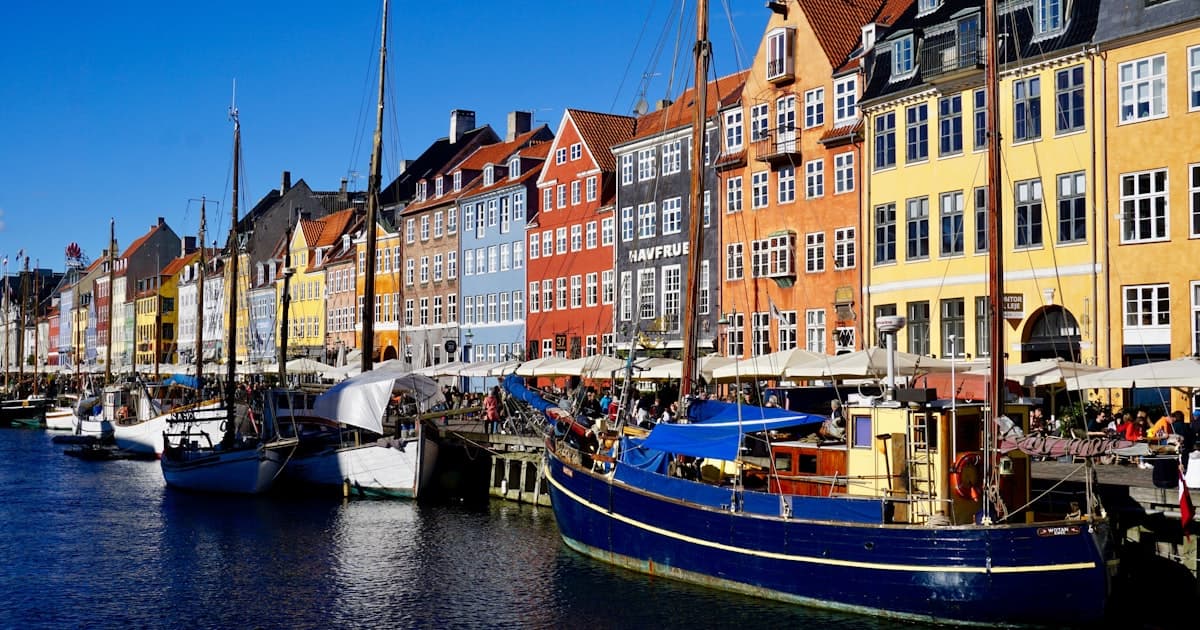
Location and neighbourhood. Location is the biggest price driver. In Copenhagen, an apartment in the Inner City or Vesterbro can often command a nightly rate 30 to 50 percent higher than a comparable apartment on outer Amager or in Nordvest. Guests pay for proximity to restaurants, sights and public transport.
Size and number of bedrooms. The number of real sleeping spots matters more than total floor area. An apartment with two separate bedrooms attracts families and friend groups who typically have a larger budget.
Season, events and occupancy rate. The summer months from June to August are peak season in Denmark. Nightly rates can be raised significantly during major events like Roskilde Festival or Distortion. A typical occupancy rate ranges from 60 to 80 percent in peak season and drops to 30 to 50 percent in the off-season.
Listing quality, photos and reviews. Professional photos, a catchy headline and good reviews dramatically increase conversion rates. Airbnb's algorithm rewards Superhost status with higher search placement.
In brief: What can you earn on Airbnb?
- Most homeowners in Copenhagen earn between DKK 40,000 and 95,000 net per year
- Renting out 60 to 70 nights is typical — you use the home yourself the rest of the year
- The exact amount depends on location, property size and season
- Try Doorstep's calculator for an estimate based on your address
What can your property earn?
The figures in this article are averages. Your property may be above or below. Try Doorstep's calculator for an estimate based on your address and property size. Calculate your income here →
2. Realistic nightly rates in Danish cities
To give a realistic picture of income potential, we've compiled average nightly rates for different neighbourhoods and cities. Prices vary depending on the property's condition and exact location.
3. Four worked examples from gross to net
It's easy to focus on high nightly rates, but the real income only emerges once platform fees, cleaning, wear and tax have been deducted. Here are four realistic scenarios for 2026.
See what you keep after all costs
Doorstep's calculator shows your net income after our commission, tax and all operating costs. No surprises. Calculate your net income →
Example 1: 2-bed in Vesterbro, 60 nights
Example 2: 3-bed in Østerbro, 70 nights
Example 3: 1-bed in Aarhus C, 50 nights
Example 4: Holiday home on the west coast, 12 weeks
4. 70 nights per year is enough for most people
When considering short-term rental, you quickly encounter the 70-day rule for permanent residences (PLST). Many see it as a strict limitation, but in reality it's a sweet spot for income.
A 2-bedroom apartment in Vesterbro nets roughly DKK 48,000 on 70 nights. If you instead long-term rent the same apartment, you'll typically get DKK 8,000 to 10,000 per month gross — after operating costs and tax, you often end up with DKK 60,000 to 80,000 net for an entire year.
The difference is striking. With short-term rental you earn nearly the same amount, but you still have full use of your own home for 295 days a year. For most homeowners, 40 to 60 rental days fit perfectly with their own holidays, extended weekends and work trips.
Short-term vs. long-term — in brief
70 days of short-term rental can match an entire year of long-term rental in net income, but you keep use of your home for 295 days a year.
5. Do it yourself or use a property manager
If you rent out for 60 nights per year, expect to spend roughly 60 hours on guest communication. Add around 20 cleanings, listing maintenance, pricing and calendar synchronisation, and the total time commitment easily reaches 100 to 120 hours annually — equivalent to two and a half full working weeks.
A property manager typically charges a commission of 15 to 25 percent of rental income. As part of our services, Doorstep handles photography, dynamic pricing, all guest communication, cleaning, hotel linen and ongoing maintenance at fixed prices.
The net difference between doing it yourself and using a property manager is often smaller than many expect. Professional management typically results in better reviews, higher search rankings and the ability to run dynamic pricing, which collectively increases both occupancy and nightly rate.
6. How to maximise your income
If you want to get the most out of your rental days, it's not enough to simply create a listing and wait for bookings. Small optimisations can make a noticeable difference to your bottom line.
5 steps to higher income
- Dynamic pricing — adjust prices continuously based on season, day of week and local events
- Multi-platform listing — be visible on Airbnb, Booking.com and Vrbo to increase occupancy
- Professional photography — high-quality images are the single most important conversion factor
- Fast response time — algorithms reward quick replies and good reviews with Superhost status
- Listing optimisation — precise title, inviting description and all amenities clearly checked
7. Frequently asked questions about Airbnb income
How much can you earn on Airbnb in Copenhagen?
A typical homeowner in Copenhagen earns between DKK 40,000 and 95,000 net per year by renting out 60 to 70 nights. The amount depends on neighbourhood, property size and which months you rent out.
How many days per year can I rent out my apartment?
As a starting point, you may rent out your permanent residence for up to 70 days per year. Some municipalities have chosen to raise this limit to 100 days, but in Copenhagen the 70-day limit applies (VisitDenmark).
What is the tax allowance for Airbnb rental in 2026?
For permanent residences, the tax allowance is DKK 35,100 when you rent through a platform that reports to SKAT (the Danish tax authority). For holiday homes, the allowance is DKK 50,200.
Do I have to pay tax on my Airbnb income?
Yes, but only on the portion exceeding your tax allowance. From the excess, a further 40 percent deduction is applied, and you then pay capital income tax on the remainder.
Can I earn more from short-term rental than long-term rental?
Per night, short-term rental is far more profitable. Even if you only rent out 70 nights per year, the net income can often match or exceed what you would receive after tax from renting out long-term for an entire year.
How much does it cost to use a property manager?
A property manager typically charges a commission of 15 to 25 percent of rental income. In return, they handle all work with guests, cleaning and pricing, and they often achieve higher rental income through professional optimisation.
What is the best season for Airbnb in Copenhagen?
Peak season runs from June to August, when demand and nightly rates are highest. May and September are also strong months, especially when major conferences or events are held in the city.
How much can I earn on a holiday home?
A well-located holiday home rented out for 12 weeks over spring and summer can typically generate a net income of DKK 60,000 to 90,000, depending on the standard and distance to the coast.
8. Summary
Here are the key takeaways about Airbnb income in Denmark.
The 5 key takeaways
- Your income depends primarily on location, property size and dynamic pricing by season
- A 2-bedroom apartment in Copenhagen can realistically net you around DKK 48,000 from 60 nights of rental
- Tax-free allowance: DKK 35,100 for permanent residences, DKK 50,200 for holiday homes (via a reporting platform)
- The 70-day limit fits most homeowners' holiday patterns perfectly and provides high income without tying up the property all year
- A property manager frees up 100+ hours of work and often optimises income, minimising the net difference
Want to see what your property can earn?
Our calculator takes your address, property size and season into account. You get a realistic estimate in under one minute.
Calculate your income →