Rules for holiday home rental in Denmark
Holiday home rental in Denmark is governed by planning legislation (Planloven). The key rule: you may rent out your holiday home for up to 70 days per year without applying for special permission. If you want to go beyond 70 days, your municipality must have opted into the extended scheme — which allows up to 100 days.
There is no formal registration requirement for holiday homes the way there is for city apartments in Copenhagen. However, many platforms (Airbnb included) report your earnings directly to SKAT, and certain municipalities actively monitor listings that exceed the day limit.
If you rent out through a bureau approved by the Danish Business Authority (Erhvervsstyrelsen), the day limit does not apply. This is because bureau-mediated rental is considered commercial activity governed by its own set of rules — read more at Bolius' guide to holiday home rental.
Tax and the standard deduction
Every krone you earn from renting out your holiday home counts as taxable income. However, Denmark offers a generous standard deduction (bundfradrag) that shields a large portion of your earnings.
For 2026, the standard deduction is 30,500 kr. if you rent out privately (i.e. without a reporting platform). If you use a platform that reports to SKAT — such as Airbnb or Booking.com — the deduction jumps to 43,800 kr. Of the remaining income above the threshold, only 60% is taxable.
In practice, many holiday-home owners pay surprisingly little tax on their rental income. If your gross rental income is, say, 80,000 kr. and you use a reporting platform, only (80,000 − 43,800) × 0.60 = 21,720 kr. is added to your taxable income. At a typical marginal tax rate, that means you keep well over 70% of your gross earnings.
You can find the most up-to-date figures on deductions at Boligejer.dk's section on holiday home rental.
Choosing the right platform
The Danish market for holiday home rental is split between a handful of dominant platforms. Each has strengths depending on your property type, location and how involved you want to be.
Airbnb suits owners who want flexibility and control. You set your own prices, choose your calendar, and communicate directly with guests. Booking.com offers slightly higher visibility for international travellers — particularly German and Dutch families who dominate summer bookings on the west coast.
Traditional Danish bureaus (DanCenter, Novasol, Sol og Strand) handle everything from listing to key handover, which is ideal if you prefer a hands-off approach. The trade-off: their commission rates range from 25–40%, and pricing power shifts to the bureau. A modern alternative is working with a co-host like Doorstep, which combines the personal touch of a bureau with the technology and pricing control of modern platforms.
Setting the right price
Pricing a holiday home correctly is equal parts data and instinct. Too high and your calendar stays empty; too low and you leave thousands of kroner on the table each season.
Start by researching comparable properties in your area. Filter by size, amenities (pool, sea view, hot tub) and distance to beach or town centre. Then factor in seasonality: week 28–30 commands premium rates in most Danish holiday areas, while October through March might require prices 40–50% below peak.
Dynamic pricing — adjusting your rate based on demand, events and weather forecasts — can lift annual revenue by 15–25% compared to a fixed-price approach. Doorstep's free income calculator uses comparable market data to estimate what your specific property could earn.
Preparing your home for guests
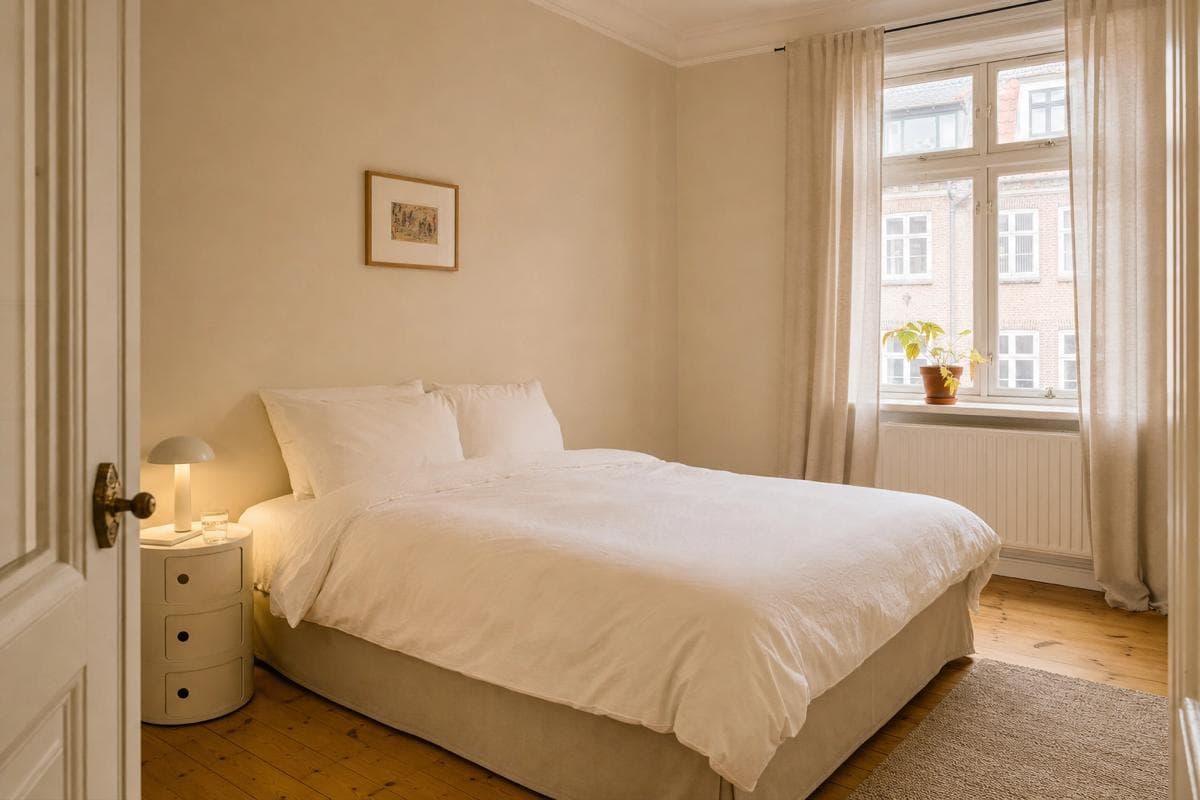
The difference between a 4.5-star and a 4.9-star listing often comes down to small details. Clean towels, a well-stocked kitchen, a reliable WiFi connection and a guide to local restaurants go a long way.
Create a physical welcome booklet or a digital guide (many hosts use a simple PDF or a Notion page). Include practical info: WiFi password, heating instructions, recycling rules, nearest supermarket. Guests who feel looked-after leave better reviews — and reviews drive bookings.
Invest in good photos. A professional photographer costs 2,000–4,000 kr. and pays for itself within a handful of bookings through higher click-through rates and fewer enquiries about 'what does the bedroom look like?'.
Insurance and liability
Standard home insurance typically does not cover damages caused by paying guests. Before your first booking, contact your insurer and confirm that short-term rental is covered — or add a rider.
Airbnb offers AirCover for hosts, which provides up to USD 3 million in property damage protection. It is not a replacement for your own insurance, but it does offer a safety net for major incidents. Booking.com has no equivalent protection for property owners.
Consider requiring a damage deposit — even a modest 1,000–2,000 kr. discourages careless behaviour without deterring bookings.
Seasonal strategy
Denmark's holiday rental market is highly seasonal. June through August accounts for 55–65% of total bookings in most holiday home areas. But smart owners also capitalise on shoulder seasons: Easter, autumn half-term (uge 42) and the cosy winter months.
Adjust your minimum stay accordingly. In peak summer, you can require 7-night stays and still fill the calendar. In shoulder season, dropping to 2–3 night minimums captures weekend getaways that would otherwise go to hotels.
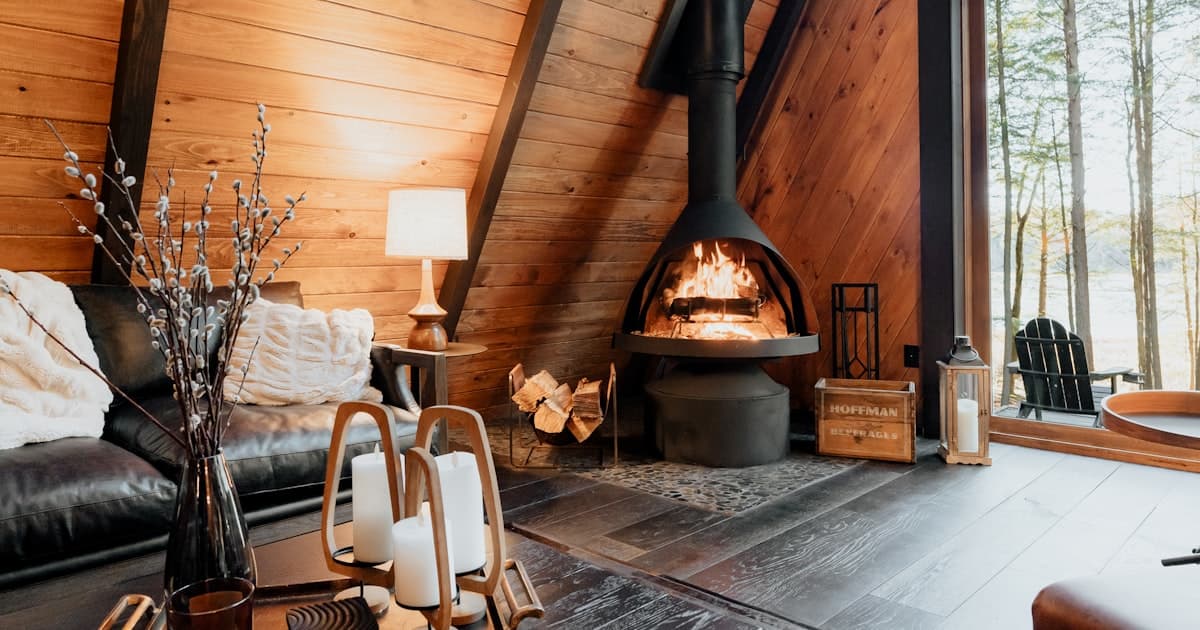
Some owners close their property entirely during winter. This is fine — but if your home has a fireplace, a hot tub or proximity to a Christmas market, you may be leaving easy money on the table.
DIY vs. hiring a property manager
Managing a holiday home yourself is perfectly doable if you live nearby and enjoy the work. You handle enquiries, cleaning coordination, maintenance and guest communication. The upside: you keep 100% of the revenue.
If you live far from the property — or simply value your time — a professional property manager or co-host takes over operations while you retain ownership of the listing and pricing decisions. Commission rates for modern co-hosts sit between 18–25%, compared to 30–40% for traditional bureaus.
The break-even point is typically around 40,000–60,000 kr. in annual rental income. Below that, DIY is usually more economical. Above it, the time saved and revenue optimisation from a professional often more than covers the fee.
Find out what your holiday home could earn
Use our free calculator and get a market-based estimate in under 30 seconds. No obligation, no sign-up required.
Calculate your earnings →